
Healthy hair is often associated with confidence, personal style, and overall well-being. However, maintaining healthy hair can become challenging when thinning, excessive shedding, or gradual hair loss starts affecting your appearance. While many people turn to shampoos, oils, supplements, and online remedies, these products do not necessarily address the underlying problem.
Fortunately, several medical approaches can help manage different forms of hair loss. Understanding how these treatments work, what they are designed to address, and what to expect from them can help you make more informed decisions.
For individuals exploring Treatment for Hair Loss NYC, Radiant Skin NYC offers dermatological care focused on managing different types of alopecia through personalised treatment recommendations. Led by board-certified dermatologist Dr. Adebola Dele-Michael, the practice helps patients explore appropriate medical options for their hair and scalp concerns.
Hair restoration is not about finding the most popular product or following the latest beauty trend. It is about selecting an approach that addresses your particular hair loss condition.
For example, treatments designed for hereditary hair thinning may not be appropriate for someone experiencing auto immune-related hair loss. Similarly,temporary shedding may require a different management strategy from progressive hair thinning.
At Radiant Skin NYC,treatment recommendations are based on the patient's individual condition rather than a standard solution for everyone.
Medical hair loss treatments work in different ways. Some support the hair growth cycle, while others help manage hormonal influences or inflammation associated with particular conditions.
Here are some treatment approaches relevant to different types of alopecia.
Minoxidil is a commonly recognised medication used to manage certain forms of hair thinning. It is applied directly to the scalp and may help support hair growth by influencing the hair growth cycle.
It is particularly relevant for selected cases of pattern hair loss.
Patients should understand that consistency is important when using minoxidil. Results are not immediate, and continued use may be necessary to maintain improvements. Some individuals may experience temporary increased shedding when beginning treatment.
A dermatologist can help determine whether topical minoxidil is suitable and explain how to use it correctly.
Hormonal influences can contribute to hair thinning in some women. Spironolactone is a prescription medication that may be considered in selected cases of female pattern hair loss.
It works by affecting certain hormonal pathways that can influence hairfollicles.
However, it is not appropriate for everyone. Medical history, pregnancy considerations, potential side effects, and other medications must be reviewed before treatment begins.
Finasteride is another medical option used for certain types of hereditary hair loss. It works by reducing the conversion of testosterone into dihydrotestosterone (DHT), a hormone associated with and rogenetic hair loss.
It is commonly considered for appropriate male patients, although treatment suitability must always be evaluated individually.
Patients should discuss potential side effects and long-term considerations with their dermatologist before starting this medication.
Some forms of hair loss develop because of inflammation or autoimmune activity affecting the hair follicles.
Corticosteroids may be recommended for selected inflammatory or autoimmune conditions, including certain cases of alopecia areata.
Depending on the condition, treatment may involve topical or other medically supervised approaches.
The objective is to manage inflammation and help protect affected hairfollicles where possible.
Telogen effluvium is a form of temporary hair shedding that can occur after significant physical or emotional stress, illness, hormonal changes, or other triggers.
Unlike some progressive forms of hair loss, this condition is often self-limiting. Management generally focuses on addressing the underlying trigger and allowing the normal hair growth cycle to recover.
Patients may need patience because hair recovery takes time.
Explore Radiant Skin NYC's alopecia and hair loss treatment services to learn more about the practice's approach to different hair loss conditions.
One common misconception about hair restoration is that visible improvements happen within a few days or weeks. In reality, hair grows gradually, and treatment outcomes depend on the underlying condition.
A realistic treatment journey generally involves several considerations.
Understanding treatment timelines: Hair growth follows a natural cycle.Even when a treatment is working, visible changes may take several months.
Following medical recommendations: Prescription treatments should beused according to professional instructions. Changing dosages or stopping medication without guidance may affect treatment progress.
Monitoring changes: Patients should discuss improvements, continued shedding, and potential side effects during follow-up appointments.
Adjusting the approach when necessary: If a treatment is not producing the expected response, the dermatologist may reassess the management plan.
The goal is not simply to achieve a temporary cosmetic improvement but to develop a medically appropriate approach to managing hair health.
Medical treatment is important, but everyday habits can also influence hair condition and prevent avoidable damage.
These habits cannot treat every form of alopecia, but they can help support healthier hair-care practices.
Finding suitable Treatment for Hair Loss NYC means choosing a dermatology practice that understands the different conditions affecting hairand scalp health.
Radiant Skin NYC, led by Dr. Adebola Dele-Michael, provides dermatological services with an emphasis on personalised patient care.
Dr. Dele-Michael is a board-certified dermatologist specialising in general dermatology, dermatologic surgery, and cosmetic dermatology. Learn more about her professional background through the Radiant Skin NYC website.
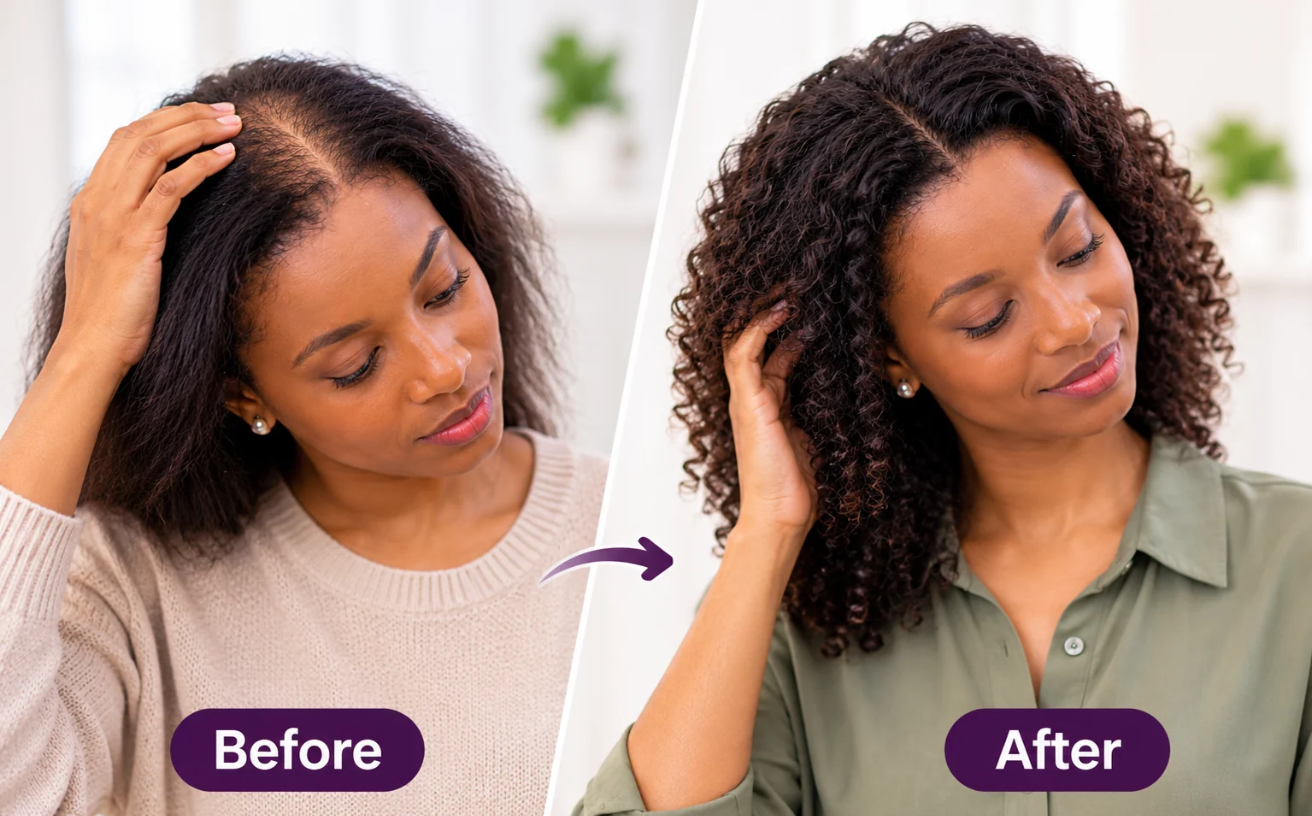
The most effective treatment depends on the type of hair loss. a Minoxidil, finasteride, spironolactone, and corticosteroids may be considered for specific conditions. A dermatologist can recommend an appropriate option based on individual circumstances.
Hair restoration takes time because hair follicles follow a natural growth cycle. Some patients may need several months of consistent treatment before improvements become noticeable. Results vary depending on the condition and treatment.
Yes. Certain medications, including minoxidil and finasteride, may help manage hereditary pattern hair loss in suitable patients. However, treatment benefits vary, and continued treatment may be necessary to maintain results.
Yes. Although some treatments overlap, hormonal influences, medical considerations, and patterns of hair loss can differ between men and women.Treatment recommendations should account for these differences.
Stress-related telogen effluvium is often temporary. Hair shedding may gradually improve once the triggering factor has been addressed. Recovery time varies from person to person.
No. Every medication has potential side effects and specific medical considerations. A dermatologist should review your health history and determine whether a particular medication is appropriate.
Some hair care products may be used alongside medical treatment, but compatibility depends on the ingredients and your scalp condition. Discuss new products with your dermatologist, particularly if you experience irritation.
Managing hair loss requires more than trying different products and hoping for results. Understanding available medical treatments, following professional recommendations, and maintaining healthy hair-care habits can makethe journey more informed and manageable.
At Radiant Skin NYC, patients can explore dermatological treatment options under the guidance of Dr. Adebola Dele-Michael. Whether you areexperiencing hereditary thinning, excessive shedding, or another form of alopecia, the right medical approach starts with understanding your individual needs.
If you are considering Treatment for Hair Loss NYC, take the next step towards healthier hair by contacting Radiant Skin NYC and requesting a dermatology appointment.


© Dr. Dele-Michael 2023
All rights reserved.