

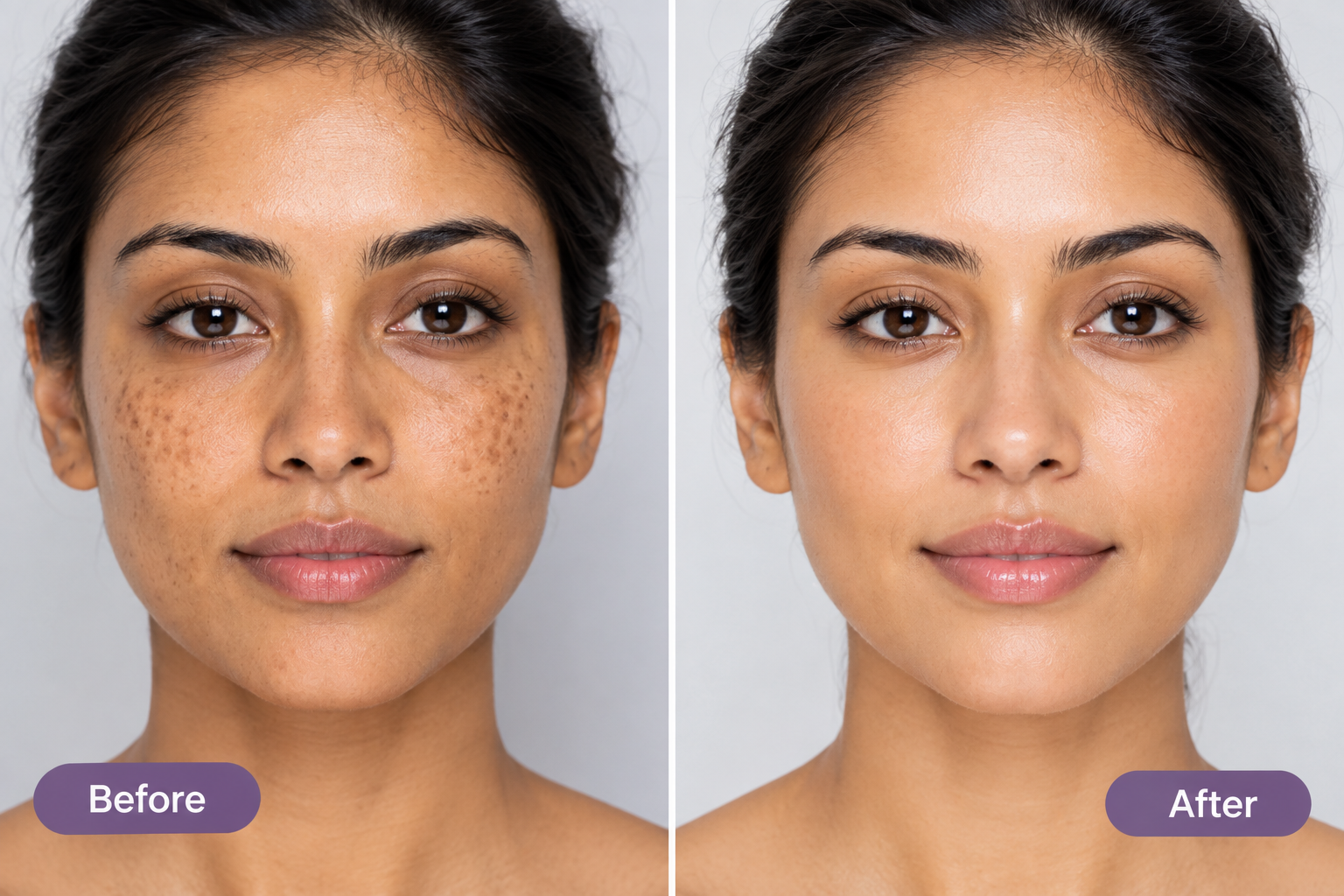
Spending time outdoors is part of everyday life in New York City, whether you are walking through Manhattan, commuting to work, enjoying a weekend in the park,or simply sitting near a sunny window. Over time, repeated ultraviolet (UV)exposure can leave visible changes on the skin. Dark spots, uneven tone, rough patches, fine lines, and changes in skin texture may all be signs that your skin has experienced cumulative sun exposure.
If you have noticed new or changing pigmentation, persistent rough areas, or spots that do not look like the rest of your skin, professional evaluation can help determine what is happening. A Sun Damage Skin Specialist NYC can distinguish common cosmetic concerns from conditions that may require medical attention.
Sun damage does not always appear suddenly. It can develop gradually as years of UV exposure affect the skin.
Some pigmentation concerns may be related to sun exposure, while others can have different causes, including hormonal changes, acne-related inflammation, or other skin conditions. Radiant Skin NYC notes that pigmentation concerns can have multiple causes, which is why identifying the underlying condition is an important part of treatment planning.
Not every sun spot means something serious. However, certain changes deserve professional attention rather than being treated only with cosmetic products.
A newspot or a spot that changes in size, shape, color, or appearance should be evaluated by a dermatologist. Changes do not automatically mean that a spot is dangerous, but they should not be ignored.
Actinic keratosis is a precancerous skin condition that commonly develops on sun-damaged areas. Radiant Skin NYC identifies actinic keratosis as a scaly or crusted patch that can occur on areas exposed to the sun, including the head, neck, upper trunk, and extremities.
A dermatologist can examine suspicious areas and determine whether further evaluation or treatment is appropriate.
Persistent pigmentation may be caused by sun exposure, melasma, post-inflammatory hyper pigmentation, lentigines, or other conditions. Treating the wrong cause can lead to frustration and may sometimes aggravate discoloration.
That is why professional diagnosis matters before choosing a peel, laser treatment, or strong skincare product.
Sun damage is not only a medical concern. Uneven pigmentation and visible spots can affect how you feel about your appearance. If sunscreen and an at-home routine are not providing the improvement you want, a dermatologist can discuss options based on your individual skin.
At Radiant Skin NYC, the approach begins with understanding the patient's skin rather than automatically applying the same treatment to everyone.
Dr.Adebola Dele-Michael is a board-certified dermatologist specializing in general dermatology, dermatologic surgery, and cosmetic dermatology. Her practice also emphasizes personalized care for different skin types and tones.
Depending on the cause and severity of pigmentation or sun-related changes, treatment may involve different approaches.
Chemical peels can improve the appearance of uneven pigmentation and skin texture by removing damaged surface layers and encouraging skin renewal. Radiant Skin NYC offers several peel options, including its Radiant Peel, VI Peel, glycolic acid, mandelic acid, pyruvic acid, and salicylic acid peels.
The appropriate option depends on the patient's skin and specific concern.
Laser treatments can be used for certain pigmentation concerns by targeting unwanted pigment. Radiant Skin NYC describes customized laser treatment based on factors such as skin type and pigmentation severity.
Because different skin tones can respond differently to energy-based treatments,professional assessment is particularly important.
A dermatologist may also recommend professional skincare as part of a longer-term plan. Products may be selected to support clearer-looking skin, address pigmentation, and help maintain treatment results.
In many cases, an effective approach combines professional treatment with an appropriate daily skincare routine rather than relying on a single procedure.
Sundamage and pigmentation can occur in every skin tone, but treatment needs canvary from person to person.
Radiant Skin NYC specifically provides dermatological care for people with different skin tones, including people with darker skin. Its approach emphasizes selecting treatments according to the individual's skin characteristics and concerns.
This individualized approach can be particularly important when treating pigmentation because irritation or an unsuitable procedure may sometimes contribute to additional discoloration.
Professional treatment is only one part of caring for sun-exposed skin. Everyday sun protection remains important.
Sun protection is also important when managing pigmentation because UV exposure can contribute to the persistence or worsening of discoloration.
You do not need to wait until sun damage becomes severe before seeking professional advice. If you have persistent sun spots, uneven pigmentation, rough areas, ora spot that looks different from the surrounding skin, an evaluation can provide clarity.
A first dermatology visit typically involves reviewing your concerns and performing a skin examination before discussing an appropriate diagnosis and treatment plan. Radiant Skin NYC describes its approach as a thorough examination followed by diagnosis and discussion of a personalized treatment plan.
For patients looking for a Sun Damage Skin Specialist NYC, personalized evaluation can be an important first step toward understanding whether aconcern is primarily cosmetic, medically significant, or a combination of both.
No. Some sun-related changes are cosmetic, such as certain sun spots, while others may require medical evaluation. Actinic keratosis, for example, is associated with sun-damaged skin and is considered precancerous.
A dermatologist can evaluate sun spots and determine which treatment may beappropriate. Depending on the diagnosis, options can include chemical peels, laser-based treatments, and professionally recommended skincare.
Yes, but treatment should be individualized. Different skin tones can respond differently to procedures, making professional assessment and appropriate treatment selection important. Radiant Skin NYC specifically provides care fora range of skin tones.
A darkspot can have several possible causes, including sun exposure, melasma,post-inflammatory hyperpigmentation, or lentigo. A dermatologist can examine the skin and determine the likely cause rather than relying on appearance alone.
Yes. A spot that changes in appearance, or a new or unusual lesion, deserves professional evaluation. A dermatologist can determine whether it is a benign pigmentation concern or requires additional investigation.
Sun damage can be gradual, but recognizing changes early gives you an opportunity to understand what is happening and explore appropriate care. Whether your concern is sun spots, uneven pigmentation, rough skin, or another sun-related change, professional dermatology can help identify the underlying issue and create a plan suited to your skin.
Radiant Skin NYC combines general, cosmetic, and surgical dermatology with a personalized approach to skin health. If you are concerned about sun damage, consider scheduling an evaluation to discuss your skin and available treatment options.
Your skin deserves more than a one-size-fits-allsolution get expert guidance tailored to you.


© Dr. Dele-Michael 2023
All rights reserved.