

Have you ever looked in the mirror and felt that your face appears more tired than you feel? Perhaps your cheeks look less full, the lines around your mouth have become more noticeable, or your facial contours do not seem as defined as they once were. These changes can develop gradually, making it difficult to pin point exactly when they began.
Facial aging involves more than wrinkles. As collagen production declines, facial fat shifts, and underlying structures change, the face can lose some of its natural fullness. While skincare products help maintain skin health, they cannot replace volume beneath the skin.
Dermal fillers offer a non surgical option for addressing certain signs of facial volume loss. At Radiant Skin NYC, patients can explore personalized cosmetic dermatology options based on their skin concerns and aesthetic goals. If you are looking for a Dermal Fillers Specialist Harlem, understanding how fillers work can help you decide whether this treatment deserves a place in your facial rejuvenation plan.
A face that once appeared full and smooth may gradually develop hollow areas, deeper folds, or less-defined contours. These changes are part of the natural aging process, but they do not affect everyone in the same way.
The result is not always a collection of wrinkles. Sometimes, the cheeks appear flatter, the area around the mouth looks more pronounced, or the face seems less refreshed despite getting enough rest.
Recognizing the cause of these changes matters because different concerns require different treatments. When lost volume is a major factor,dermal fillers may be worth discussing with a qualified dermatologist.
Dermal fillers are injectable products designed to add volume, enhance selected facial contours, and soften certain lines. Depending on the product and treatment area, they can help restore fullness without surgery.
For example, hyaluronic acid fillers attract and retain water, helping create a fuller appearance in the treated area. Other injectable products work differently, with some stimulating collagen production over time.
The aim is not to make every part of the face fuller. Instead, treatment should address the specific areas contributing to the appearance you want to improve.
The right treatment depends on your facial anatomy, the type of volume loss, and your goals. Common areas that may be assessed include:
Not every line or hollow area needs an injection. For instance,significant skin laxity may require a different approach, while some under-eye concerns may be better addressed through alternative treatments.
This is why a professional assessment should come before choosing a filler or treatment area.
Imagine two people who both want fuller cheeks. One may have naturally prominent cheekbones but some volume loss, while the other may have a different facial structure and concerns about overall definition. Using the same treatment plan for both would overlook their individual needs.
A personalized approach considers facial proportions, skin condition, medical history, previous cosmetic procedures, and desired results.
At Radiant Skin NYC, Dr.Adebola Dele-Michael is a board-certified dermatologist specializing in general dermatology, dermatologic surgery, and cosmetic dermatology. Her practice emphasizes individualized care and an understanding of each patient's skin concerns.
During a consultation, your dermatologist can assess the areas you would like to improve, explain the available options, and discuss realistic outcomes.You can also ask about the product being considered, its expected duration,possible side effects, and whether another treatment may be more appropriate.
A conservative plan can be particularly valuable when your goal is tolook refreshed while preserving your natural facial features.
Knowing what happens during a dermal filler appointment can help you feel more prepared and make informed decisions.
Temporary swelling, tenderness, redness, and bruising can occur after injections. Recovery varies by person and treatment area, so ask your provider when you can expect the initial effects to settle.
Dermal fillers also carry risks, including rare but serious vascular complications that can damage tissue or affect vision. Severe or increasing pain, unusual skin discoloration, or visual changes following treatment require urgent medical attention.
One common question is whether fillers provide a permanent solution.Most do not. Results vary according to the product, treatment area, amount used, and individual factors.
Some hyaluronic acid fillers last several months, while others may last a year or longer. Products designed to stimulate collagen can have different timelines and may produce gradual changes.
Your dermatologist should explain what to expect from the specific product being considered. Maintenance treatments may be an option, but additional filler should not be automatic. The treated area needs to be assessed before deciding whether more product is appropriate.
Understanding the expected duration helps you plan realistically andavoid assuming that every filler produces the same result.
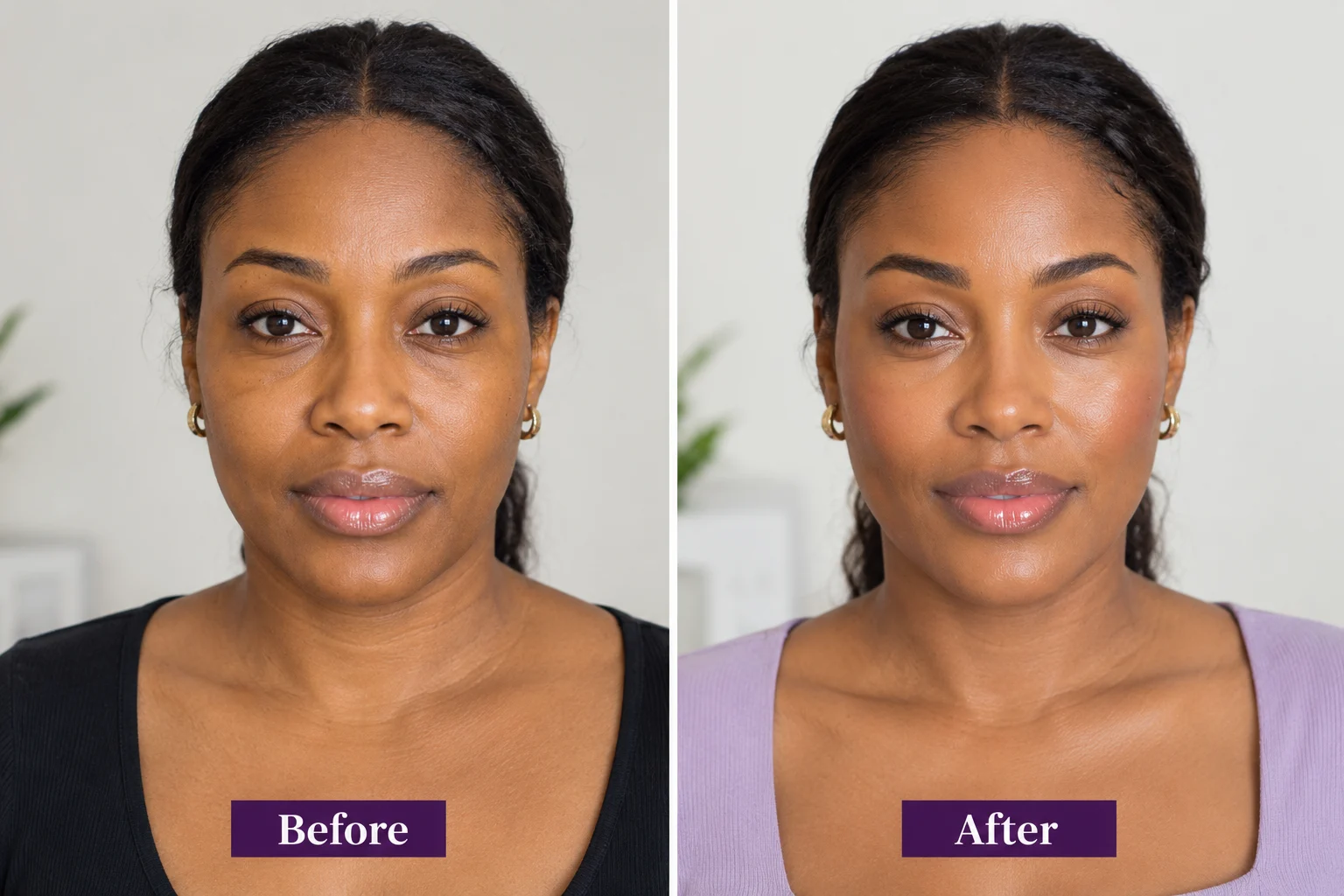
Yes. Depending on the cause of volume loss and the product used, fillers can restore fullness in selected areas, including the cheeks, and soften certain facial folds. Results depend on individual anatomy and treatment suitability.
Fillers may create a more refreshed appearance by restoring volume or softening selected lines. However, they do not reverse every aspect of aging,and natural-looking results depend on an appropriate treatment plan.
They serve different purposes. Dermal fillers add volume or enhance contours, while Botox temporarily relaxes targeted muscles to reduce certain expression-related wrinkles. A dermatologist can help determine which treatment, if either, suits your concerns.
Mild swelling often improves over several days, although the duration varies. Follow your provider's aftercare advice and seek prompt medical attention if you experience severe pain, unusual discoloration, or visual symptoms.
Adults seeking improvement in selected areas of facial volume loss maybe candidates. Suitability depends on medical history, anatomy, treatment goals, and potential risks. A qualified medical professional should assess each patient individually.
Facial volume loss does not look the same on everyone, and the best approach is not necessarily the one that adds the most volume. Understanding your concerns, selecting an appropriate treatment, and setting realistic expectations are essential parts of achieving a balanced result.
If you are considering dermal fillers in Harlem, request an appointment with Radiant Skin NYC to discuss your aesthetic goals and explore suitable cosmetic dermatology options.


© Dr. Dele-Michael 2023
All rights reserved.